TCM Fest 2025 Roundup
In April 2025, I went to TCM Fest in Los Angeles for my second year. This time around, I knew the ropes, and was convinced I would make a better showing of it than last year, when I ended up getting iced out of a bunch of screenings because of not knowing how early I needed to get to the theater.
And I was right! Success. With a little bit of experience under my belt, I was turned away from nary a screening, and had a delightful time. Here’s a brief roundup of the films that I saw – some new to me, some old favorites – in case you’re looking for something new (well, new old) to watch. Granted, it’s only my second year, but I’m still gobsmacked at what an impressive lineup they manage to put together for the festival.
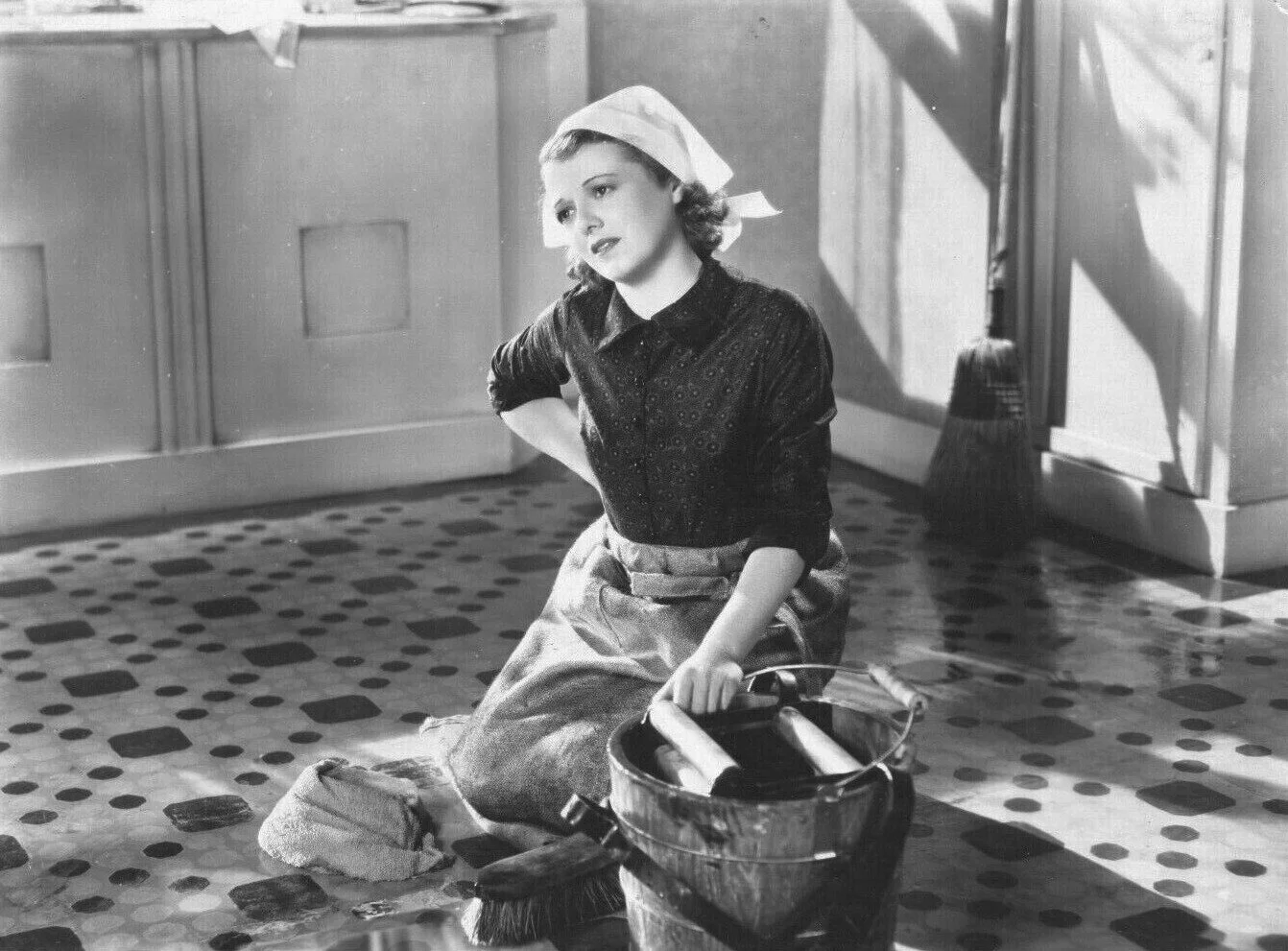
Servants’ Entrance (1934)
My first movie of the fest was Servants’ Entrance, a pre-Code satirical comedy starring an effervescent Janet Gaynor as a rich girl who, determined to prove that she can take care of herself, runs away from home to work as a maid. Naturally, her housekeeping skills leave something to be desired, which generates a lot of the film’s comedy, but her good-natured spirit makes her endearing to audiences in spite of her first world problems.
As she settles in, however, she finds fulfillment in the prospect of working – and it doesn’t hurt that she falls in love with the family’s handsome and charming chauffeur Erik (Lew Ayres). Come for the sparkling chemistry between these two, stay for the early Walt Disney cartoon that’s somewhat precariously shoehorned into the narrative. It’s sort of a “Be Our Guest” musical number if Lumiere and all the cutlery were extremely hostile. Which, I don’t need to tell you, is absolutely delightful.
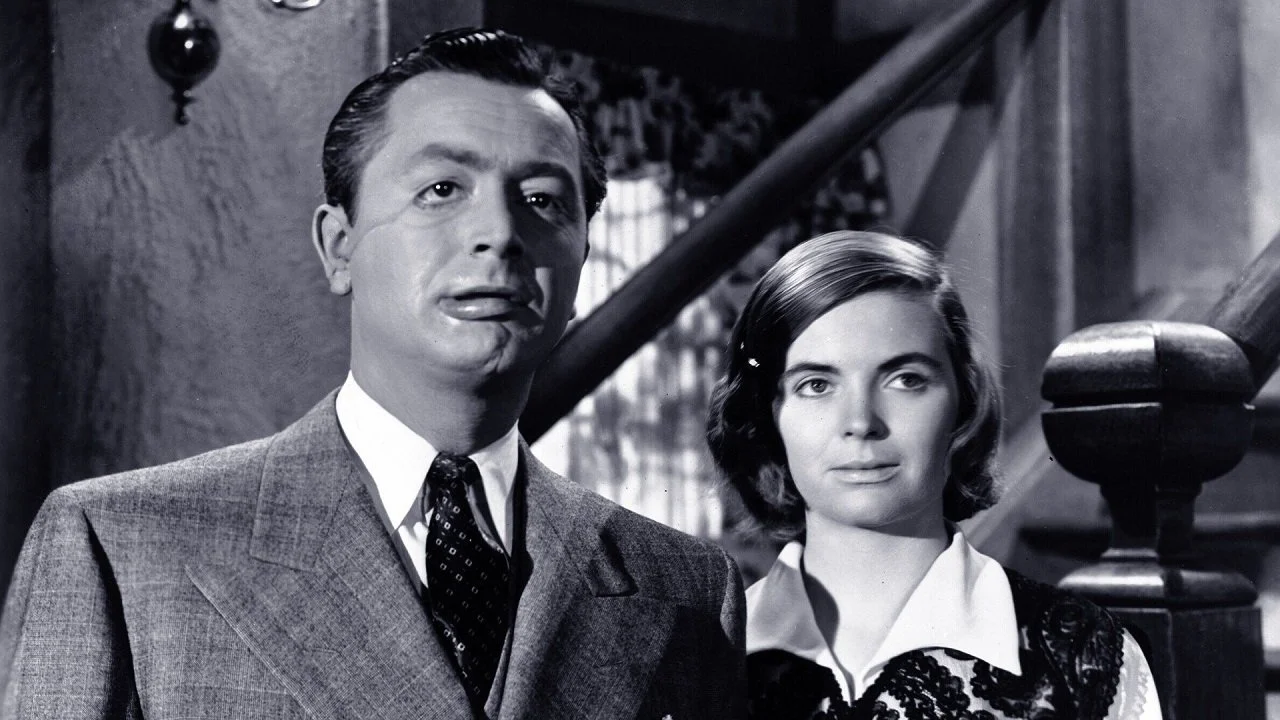
The Enchanted Cottage (1945)
The Enchanted Cottage is a fantasy romance set in the midst of World War II, as a confident, charismatic man books the lonely cottage as a honeymoon getaway for him and his betrothed. But before they can get married, the United States joins the war and he is drafted. After suffering a disfiguring injury, he’s rattled (to put it lightly), breaking off his engagement and hiding away in the cottage that was meant to be home to his nuptial bliss. While there, he falls in love with the plain but kindly housekeeper – she’s the only one he can stand to be around, since apparently he deems her hideous enough that she can understand his plight. (Ouch.)
But they find something in one another that helps ease the pain of their insecurities, and are so entranced with each other that they begin to believe that the cottage has cast a spell over them both, making them beautiful. The magical realism of The Enchanted Cottage drives home the point that beauty is in the eye of the beholder, and the act of loving and being loved by someone is a powerful enough emotion to override any perceived flaws. It’s a sweet film, if slightly anemic. But what we really need is a restoration of the original version of The Enchanted Cottage from 1924, starring Richard Barthelmess and May McAvoy, which is ethereal in its beauty but is let down by a dodgy transfer. (I heard that one was made in 2024 via Kickstarter, but I still haven’t been able to get my hands on it.)
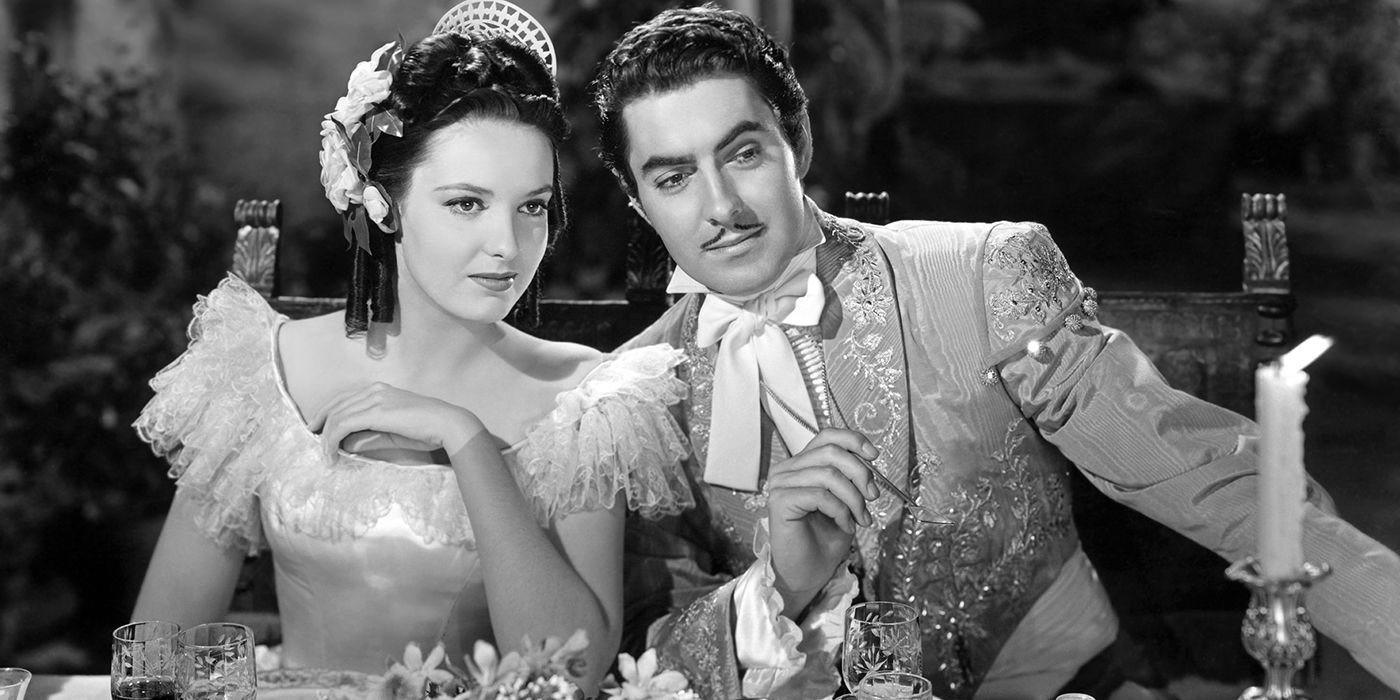
The Mark of Zorro (1940)
The Mark of Zorro is not a new watch for me, but one of my all-time favorite movies – and from the reaction it was getting in the theater, it’s clear I’m not alone. Tyrone Power stars as Don Diego Vega, a spirited young man who is called home from Spain to his native California. When he arrives he discovers that his father has been usurped from power, replaced by the nefarious but weak-willed Luis Quintero.
Determined to create chaos for the new regime, Diego takes on the identity of the masked Zorro, who strikes fear in the heart of Quintero with his rebellious actions – all while pretending to be a lazy, effeminate fop, to the exasperation of his father. The Mark of Zorro is filled with daring action set pieces, including some truly remarkable swordfight sequences between Power and legendary Hollywood swordsman Basil Rathbone. A crowd-pleaser from start to finish, The Mark of Zorro has aged remarkably well.
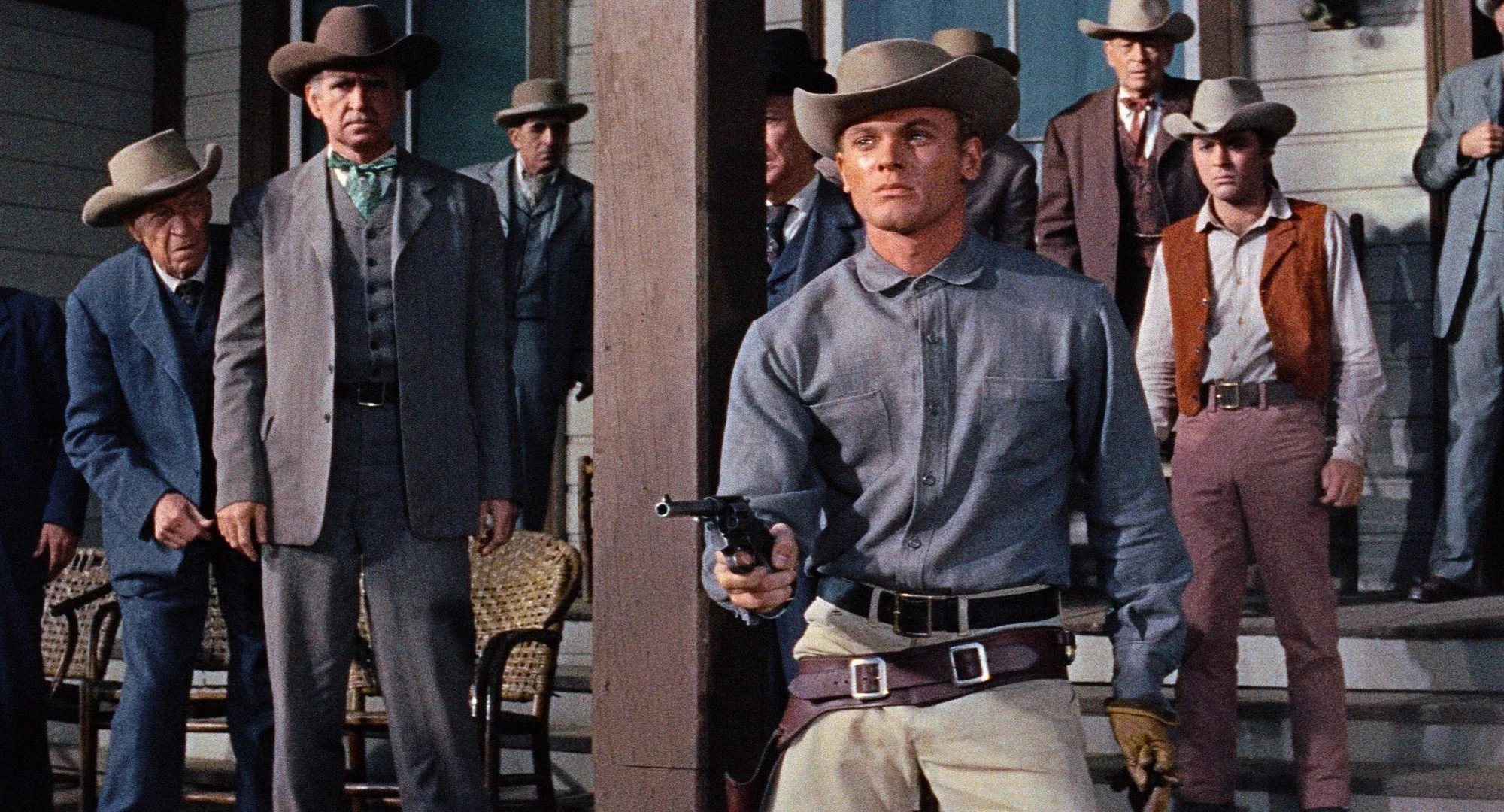
Gunman’s Walk (1958)
Tab Hunter? In a Western? As a bad guy? Say no more, we’re seated. Gunman’s Walk offers up the most unconventional of Tab Hunter roles, telling the story of a tough Western father (Van Heflin) struggling to handle his two grown sons. Davy (James Darren), the younger of the two, is a nice, sweet boy who seems to be as big of a green flag as you could hope for in the Old West. But Ed? Well, he’s kind of a monster.
To get a sense of how big of a jerk he is, Tab Hunter reportedly drew inspiration from members of the Hitler Youth to inform his performance. Yikes. It can be a tough watch at times, with both Lee (Van Heflin) and Ed (Hunter) deeply flawed characters who it’s difficult to have much sympathy for. But despite this, Hunter is captivating, making the most of one of his most out-of-pocket roles and bringing a violent energy to the screen that is utterly magnetic.
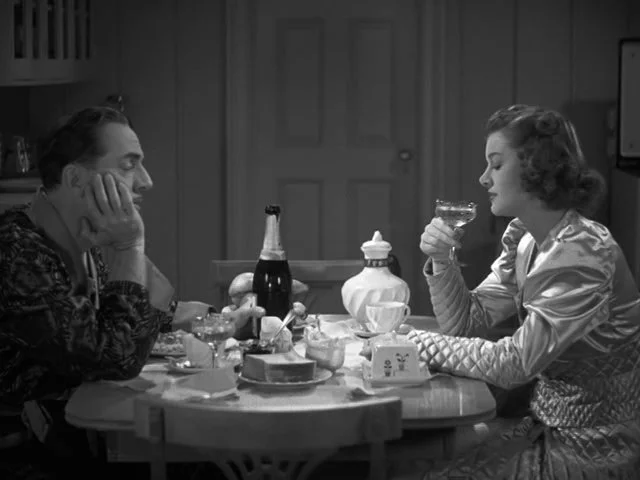
I Love You Again (1940)
Not everyone takes advantage of these screenings at TCM Fest, but for my money, there are few things more satisfying than sitting poolside at the Hollywood Roosevelt Hotel, preparing to watch a classic movie as the sun sets. This year, the film I caught at the Roosevelt was I Love You Again, an extremely fun romantic comedy that turns the amnesia trope on its head. It stars William Powell as a mild-mannered, small-town finance guy whose fussiness everyone regards with quiet exasperation.
But when he suffers a blow to the head while at sea, he learns the truth about who he is. Rather than suffering from amnesia, he has his amnesia reversed, revealing his actual identity as a small-time con man. And while he tries his best to maintain the ruse of his fuddy-duddy persona in order to pull off yet another con, he’s also put in the peculiar position of falling in love with his wife – a woman who has long grown bored of the old version of him. Screwball comedy at its very finest, these are the kinds of roles that Powell and his sharp-as-a-tack costar Myrna Loy were built for.
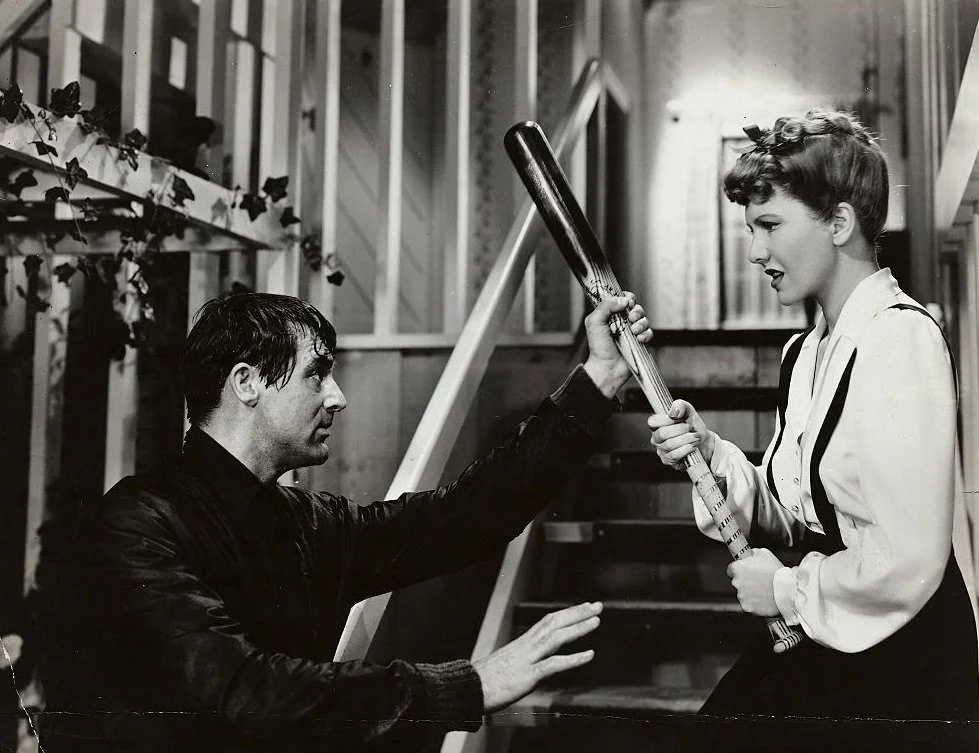
The Talk of the Town (1942)
When you’ve got a politically-tinged dramedy that stars Jean Arthur, Cary Grant, and Ronald Colman, you know you’re in safe hands. Arthur plays Nora Shelley, a schoolteacher in the process of renting out her cozy little cottage to an imposing law professor (Colman).
But things get considerably more complicated when a childhood friend, Leopold Dilg (Grant) turns up at the cottage that very same night, on the lam after being accused of inadvertently killing a man while setting the local mill on fire. He’s seeking sanctuary, and Nora has no choice but to hide him. Although the heart of the film is the interplay between the three leads, who are entrenched in an unexpected love triangle, it’s also a surprisingly political and union-friendly film for Hollywood during World War II.
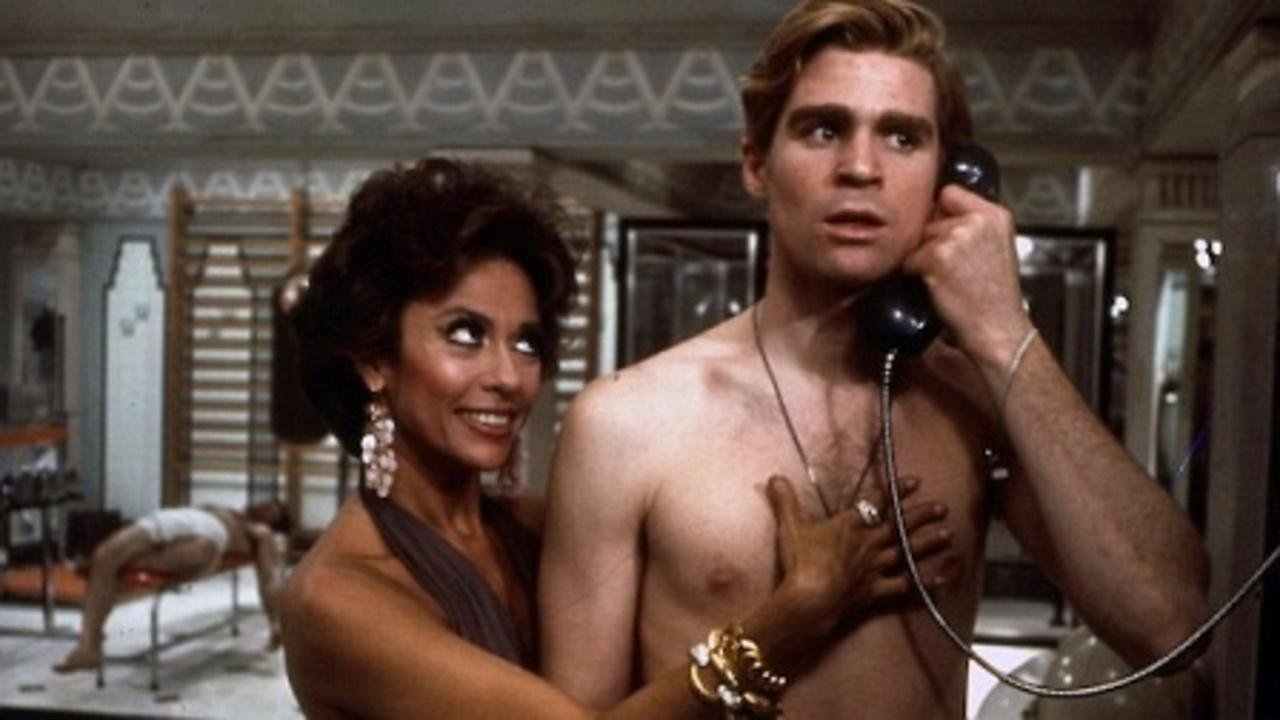
The Ritz (1976)
TCM Fest always has a few oddball picks amidst their prestige offerings, and The Ritz fits that bill perfectly – it’s among the campiest of the camp. It takes place entirely in a 1970s-era New York City bath house, where gay men of all stripes have gathered for more or less anonymous sex. It’s also where, by random happenstance, a midwestern yokel seeks refuge when his mob-linked brother-in-law puts a hit out on him.
Things end up getting a little wacky, as the well-intentioned but hopelessly square Gaetano (Jack Weston) ends up in endless queer hijinks. It’s best known for Rita Moreno’s go-for-broke performance as the indomitable Googie Gomez – a role that earned her a Tony Award when she originated it on Broadway – but Treat Williams, F. Murray Abraham, and Jerry Stiller also acquit themselves admirably.